

Facts about the liver
Your liver is the largest solid organ in your body; and is also considered a gland because among its many functions, it makes and secretes bile. The liver cells have two different sources of blood supply. The hepatic artery supplies oxygen rich blood that is pumped from the heart, while the portal vein supplies nutrients from the intestine and the spleen.
Normally, veins return blood from the body to the heart, but the portal vein allows chemicals from the digestive tract to enter the liver for "detoxification" and filtering prior to entering the general circulation. The portal vein also efficiently delivers the chemicals and proteins that liver cells need to produce the proteins, cholesterol, and glycogen required for normal body activities.
The liver can be considered a factory and here is a list of its most important functions:
• Production of bile that is required in the digestion of food, in particular fats.
• Storing of the extra glucose or sugar in the body into stored glycogen in liver cells
and then converting it back into glucose when the the body needs it for energy.
• Production of blood clotting factors.
• Production of amino acids (the building blocks for making proteins), including those
used to help fight infection.
• Processing and storage of iron necessary for red blood cell production.
• Manufacture of cholesterol and other chemicals required for fat transport.
• Conversion of waste products of body metabolism into urea that is excreted in the
urine.
• Metabolizating medications into their active ingredient in the body.
Common liver diseases
The main cause for liver damage is alcohol, which can eventually lead to cirrhosis. Alcoholic liver damage has three different conditions: steatosis, hepatitis and cirrhosis. Steatosis, or fatty liver, results from a buildup of fat in the liver, while alcoholic hepatitis is liver inflammation. The National Institute on Alcohol Abuse and Alcoholism notes that 70% of alcoholic hepatitis patients develop cirrhosis, or scarring of the liver.
The National Institute on Alcohol Abuse and Alcoholism points out that alcoholic cirrhosis is the fourth most common cause of death in people aged 45 to 54. Over all age groups, the National Institute on Alcohol Abuse and Alcoholism notes that cirrhosis was the 12th most common cause of death in 2000.

Patients may not have symptoms in the early stage of alcoholic cirrhosis. When patients do develop symptoms, these are some of the most common ones: nausea, vomiting, loss of appetite, weakness, abdominal pain, bloating, fatigue, weight loss, itching and the appearance of spider-like blood vessels.
The second most common liver disease, after alcoholic damage, is hepatitis. Hepatitis, which is an inflammation of the liver, is not just one disease, but many. It can be either acute or chronic and it is caused by certain viruses (A, B, C, D or E), by alcohol again or by certain drugs or medications (even widely used, over-the-counter pain relievers or fever reducers that contain paracetamol). About 5,000 people die each year of hepatitis B (it is spread like AIDS) and the ones that survive have a high risk of being diagnosed with liver cancer some years later.
Other common liver diseases are Acetaminophen Toxicity, Fibrosis, Jaundice (icterus), Liver Cysts, and Cholangitis (PSC).
Caring for your liver
So what can you do to help your liver in a natural way apart from watching your alcohol intake?
For those of you who wish to treat, strengthen or cleanse your liver here is a list of the most effective herbs and how to use them:
• Dandelion (Taraxacum officinale)

Dandelion is edible and actually in Greece these boiled greens is one of our most typical salads! You may steam them and eat them with lemon, olive oil and salt or you may boil them and keep the water to drink as tea with a bit of lemon added to it, which is also a liver tonic. I do that very often and I actually love it! Apart from helping your liver, it’s also a great blood purifier and is also recommended to people suffering from arthritis. I even add tender young dandelion leaves in raw salads mixed with other greens more mild in taste, like spinach and lettuce. If you can’t get hold of fresh dandelion, you may just get the herb and make a nice tea, I usually combine it with Milk Thistle for even better results!
If you don’t like the taste you can always get it in natural supplements or tinctures.
• Milk Thistle (Silybum marianum)

Milk thistle is a top-choice herb for all kinds of liver ailments, including everything from hepatitis to cirrhosis to Amanita mushroom poisoning. It has been used as a liver remedy for at least 2,000 years. Research shows that compounds from the seeds help protect the liver against damage from alcohol and hepatitis and can even regenerate liver cells that have been damaged. Other studies show that the compound silymarin, which is found in milk thistle, helps protect the liver from many industrial toxins, such as carbon tetrachloride.
Even if you don't have liver damage or liver disease, milk thistle helps improve liver function by helping the liver remove toxins from your body. Very young leaves of this herb can be used in salads. Drink plenty of Milk Thistle tea (again you may combine it with dandelion) or just buy milk thistle capsules at health food stores and follow the directions on the package.• Chicory Root (Cichoriu intybus plant root)

• Schisandra (Schisandra chinensis)

• Chinese angelica (Angelica sinensis)

The usual recommendation is to take two to six teaspoons a day in teas, tinctures or pills for as much as a month. Do not take this herb if you are pregnant.
• Tamarind (Tamarindus indica)

The sugary pulp around the seeds is used to make a sweetened beverage that is consumed more as a food than a medicine. You can drink two glasses of it a day, but in many countries it is not very easy to find.
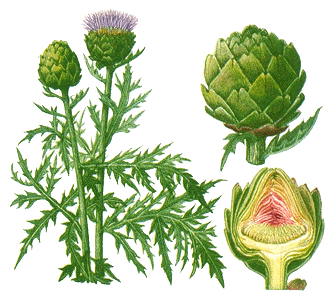
• Artichoke Leaf (Cynara scolymus)
• Turmeric (Curcuma longa)

• Liquorice (Glycyrrhiza glabra)

hepatitis. You may add it in alsmost any tea and it works as a sweetener as well!
• Greater Celandine (Chelidonium majus)

• Tea (Camellia sinensis)

• Chanca Piedra (Phyllanthus niruri)

Resources:
http://www.medicinenet.com
http://www.globalhealingcenter.com
http://www.guidetohealth.com
http://www.wholeworldbotanicals.com
Photos:
http://altered-states.net
http://www.umm.edu
http://www.survivalschool.us
http://www.herbwisdom.com
http://westofpersia.wordpress.com
http://informedfarmers.com
http://www.lovefarmorganics.com
http://paulmirocha.com
